
How to choose a styling gel that suits your hair
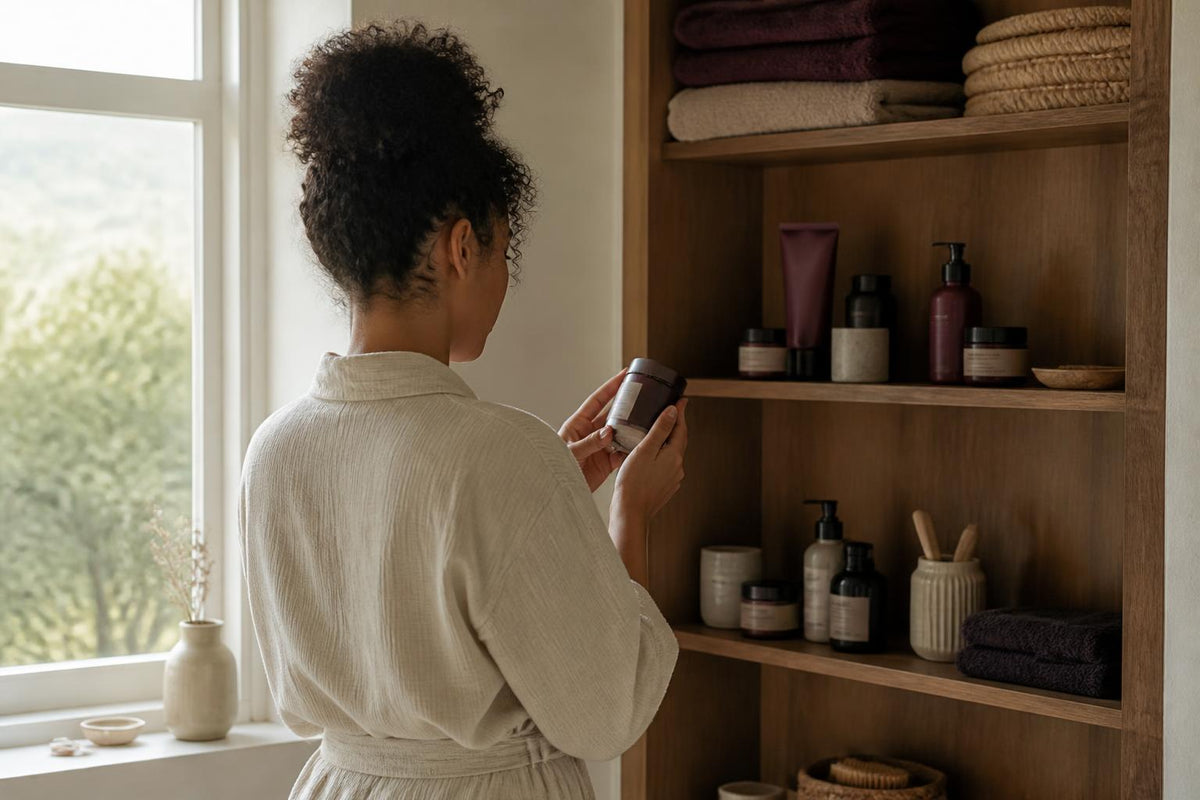
Choosing the right styling gel comes down to four things: how much hold you want, how your hair takes in and holds moisture, the finish you prefer, and how you actually style day to day. A good gel should help your hair keep its shape, reduce frizz and add definition, but it should not force you into a result that feels stiff, dull or difficult to refresh.
For many of us, the best choice is not simply the strongest formula on the shelf. A styling gel that suits your hair works with your washday routine, your leave-in or cream, and the way you dry your hair, whether that is air-drying, diffusing or refreshing between washes. If you are looking for a hair styling gel for ladies, it helps to think less about marketing terms and more about practical use: hold, slip, finish, layering and consistency.
What a good styling gel should actually do
A styling gel is there to support the shape you create while your hair dries. That may mean encouraging curl clumps, keeping a sleek style in place, reducing puffiness around the crown, or helping shorter styles sit neatly without constant reworking.
What it should not do is promise to change your hair texture. Gel cannot repair structural damage, permanently smooth the hair fibre or make one pattern behave exactly like another. What it can do, when chosen well, is improve how your hair looks and feels within its own natural range.
In practical terms, a good gel should do four jobs.
First, it should provide hold. Hold is what helps curls stay defined, waves keep their bend, and smooth styles resist humidity for longer. Hold can be light and flexible or firmer and more durable, but it should match your expectation. If your style drops within a few hours, you probably need either a stronger hold, better application on wetter hair, or a more compatible routine overall.
Second, it should help with definition. On wavy, curly and coily hair, gel often brings strands together into more consistent sections while drying. On straighter textures, it can add control and polish, especially around the hairline, ends or layers.
Third, it should assist with frizz control. This does not mean eliminating every flyaway in all weather. In the UK, damp air can interfere with even a careful routine. A good gel helps reduce surface frizz and keeps the style looking intentional for longer, but realistic expectations matter.
Fourth, it should give a finish you actually like. Some gels dry glossy, some more natural, some can create a cast that softens once scrunched out. If you dislike the look or feel of the finish, even a technically effective gel will not suit you.
This is why we suggest looking at your styling gel as one part of a system, not a miracle product in isolation. The cleanser or co-wash you use, your conditioner, whether you apply a leave-in underneath, and how much water remains in your hair at styling all affect the result. If you are reviewing your routine as a whole, our washday and styling range is the sensible place to compare what you already use with what you may want to add.
How to match gel to your hair texture and styling routine
Hair texture is the obvious starting point, but it is not the only one. Two people with curls can need completely different gels because density, porosity, climate, haircut and styling habits all change the result.
If your hair is fine or low density, heavy gels can flatten the roots or make the lengths feel coated. You will often do better with a lighter gel and a smaller quantity, applied evenly to very wet hair. This gives hold without dragging the style down. Fine waves in particular tend to need restraint. Too much product can reduce movement and make the hair look stringy rather than defined.
If your hair is medium to coarse, or very dense, you may need more product and a formula with stronger hold. Dense curly or coily hair often benefits from applying gel section by section so that the product reaches through the hair rather than sitting on the outer layer only.
Porosity matters as well. If your hair absorbs product quickly and dries out quickly, you may prefer layering gel over a leave-in or cream to help maintain moisture and improve slip during application. If your hair is low porosity and products tend to sit on top, lighter layering usually works better. In that case, too much cream under the gel may lead to residue or a tacky finish.
Your preferred style should guide you just as much as your texture does.
For wash-and-go curls or waves, gel is often the main product that locks in definition while drying. For slicked-back styles, edge control and hold at the roots may matter more than curl clumping. For twist-outs, braid-outs or roller sets, you may want a gel that supports neat sections and helps the set last without making the hair brittle.
Drying method changes things too. If you air-dry, your gel has longer to set and may produce more cast, especially if you use a generous amount. If you diffuse, you may get volume faster, but stronger hold usually helps the style withstand movement from the dryer. If you refresh between washdays, choose a gel that can be reactivated with water or layered lightly without obvious build-up.
A refillable spray bottle is one of the simplest tools for this. Re-wetting selected sections before applying a small amount of product often gives a cleaner refresh than piling gel onto dry hair. Alongside that, the right towel or wrap can make a noticeable difference. A microfibre drying towel and overnight care option helps remove excess water more gently than rough drying, which in turn can improve how your gel sets.
Technique also depends on whether you style in sections, rake product through, smooth it over the surface, or scrunch it in. Wavy hair often responds well to scrunching and light smoothing. Curlier and coily textures often benefit from working in sections so each part gets enough water and product.
Soft hold, firm hold or cast?
Hold level is where many people get stuck, partly because product labels are not always consistent. One brand’s medium hold can feel like another’s strong hold. The useful question is not the label alone, but what the gel leaves behind once the hair is dry.
Soft hold is best if you want movement, touchable hair and a more natural finish. It suits looser waves, softer brushed-out styles, or anyone who dislikes feeling product in the hair. The trade-off is that definition may drop sooner, especially in humid weather or on hair that loses shape easily.
Firm hold gives more structure. It is often better for curls that need help lasting several days, sleek styles that must stay smooth, or hair that frizzes quickly. The trade-off can be more noticeable product feel if you use too much or apply it unevenly.
Then there is cast. A cast is the firm shell a gel can form around the hair as it dries. This can sound negative, but it is often useful. A cast protects the shape while the hair sets, helping reduce frizz and preserve definition. Once the hair is fully dry, many people gently scrunch the cast out with dry hands or a small amount of oil, leaving softer hair underneath.
Whether you want a cast depends on your styling priorities. If you value longer-lasting definition and do not mind waiting until the hair is dry before softening it, a cast can be helpful. If you want immediate softness and movement, you may prefer a lighter gel or a smaller amount.
There is no universal right answer. Many people move between hold levels depending on the style. A wash-and-go before a busy week may call for firmer hold. A loose weekend style may not.
If you use heat tools occasionally, think about how your styling products fit around that routine too. Our guide on stopping heat styling from drying out your hair covers the practical side of keeping the hair comfortable and manageable when heat is part of the picture.
How to apply styling gel without flakes or crunch
Most problems blamed on gel are actually application problems. Flakes, stiffness, patchy hold and dull residue often come from using too much product, combining incompatible formulas, or applying on hair that is too dry.
A reliable method starts with clean, conditioned hair. If your hair has old build-up on it, fresh gel is more likely to sit unevenly. After cleansing and conditioning, keep enough water in the hair for the gel to spread properly. For many textures, styling on wet or very damp hair gives the most even result.
If you use a leave-in, apply that first in a modest amount. If you use a cream as well, be careful not to overload the hair. Too many rich layers under a gel can lead to flaking or a filmy finish, especially on fine or low porosity hair.
Then apply gel section by section.
- Start with a small amount.
- Emulsify it between your palms.
- Smooth or rake it through each section.
- Add water if the product drags.
- Scrunch or shape the hair into the pattern you want.
- Leave it alone while it dries.
If your hair starts to frizz while you are applying, it often needs more water, not more gel. Water helps distribute the product. Gel placed onto hair that is already drying can catch on the surface and create uneven hold.
To avoid flakes, test combinations in your hands first. Rub a little leave-in and gel together. If the mixture curdles, pills or forms visible residue, that pairing may not sit well on your hair. This is not a legal or safety test, just a useful practical one.
Crunch usually comes from one of three things: too much product, a strong cast that has not been scrunched out, or layering over hair that was not wet enough. If you want definition without stiffness, reduce the amount slightly and break the cast only when the hair is completely dry. Scrunching too early creates frizz and can leave the hair both crunchy and undefined.
Uneven results are often a sectioning issue. If the front looks smooth but the underneath frizzes, the inner sections may not be getting enough product or water. Clips make this much easier. If you need better control while styling, our brushes and combs for detangling and sectioning can help you distribute product more evenly without unnecessary snagging.
For refresh days, use less than you think. Mist the hair with water first, apply a small amount of gel only where needed, and reshape with your hands. Reapplying a full washday quantity onto dry hair is one of the quickest ways to get residue and stiffness.
What to check before you buy
Before buying any gel, read beyond the front label. Start with the INCI list. This tells you what is actually in the formula and gives you a better basis for comparison than broad claims such as defining, smoothing or moisturising.
Look for where the key functional ingredients sit in the list, but keep expectations sensible. The INCI list is useful for identifying whether a product is likely to be lightweight or richer, whether it includes ingredients you prefer to avoid, and whether it resembles formulas you already know your hair likes or dislikes. In the UK, cosmetic ingredient labelling follows UK rules since the end of the EU transition period, so products sold here should comply with GB requirements even though many consumers are more familiar with EU wording and presentation.
Next, check the directions. This is often overlooked, but it matters. Some gels are meant for soaking wet hair, some for damp hair, some for layering over a leave-in, and some for smoothing specific areas rather than styling the whole head. If your routine is mostly air-dry and refresh, a gel designed to be worked through in small amounts may suit you better than one that performs best only in a full washday routine.
Check the size as well. A large tub or bottle is not automatically better value if you are testing a new format, especially if your hair only needs a small amount per use. Equally, very dense or long hair may get through product quickly, so size becomes a practical buying point rather than a minor detail.
Pay attention to finish. Do you want shine, a natural look, a stronger cast, or a softer result? Product descriptions, directions and ingredient style can help you judge this, but your own routine should lead the decision. If you already use a rich conditioner or styling cream, a very glossy or heavy gel may be more than you need.
Compatibility matters too. At ManeDivas, we encourage people to think in routines rather than isolated hero products. If you already use items from our cleansing, conditioning and styling range, check how a gel will sit alongside them. Consider whether you regularly use a co-wash, whether you style over a leave-in, and whether you refresh with water between washdays. Those habits affect which gel will feel easiest to live with.
Finally, buy with your real routine in mind, not your ideal one. If you know you do not style in six sections, do not choose a product that only behaves well with a very detailed application process. If you wash at night, think about how the gel sets before bed and whether your drying towel, sleep cap or buff supports that routine. If you tend to restyle during the week, choose something that can be refreshed cleanly.
A good hair styling gel for ladies is the one that fits your hair and your habits, not the one that promises the most. When you assess hold, finish, layering and ease of use in a realistic way, it becomes much easier to choose well and to get consistent results from washday to washday.
At Fleeta Limited, through ManeDivas, we keep our guidance practical for exactly that reason. Better styling usually comes from better matching, better application and better routine choices, not from expecting one product to do everything on its own.
Is styling gel only for curly hair?
No. Styling gel can help with hold, smoothing and shape across straight, wavy, curly and coily hair. The best choice depends more on the finish and control you want than on one texture alone.
Should I use gel on wet or dry hair?
Most people get the most even distribution on damp or wet hair. Dry application can work for touch-ups or edge smoothing, but it is easier to overapply and create stiffness.
Why does gel sometimes leave flakes?
Flaking can happen if too much product is used, if hair is not evenly wet, or if the gel does not layer well with a leave-in or cream already on the hair.
Does a stronger hold always mean better results?
Not necessarily. Stronger hold can help a style last longer, but it may feel less flexible. A softer hold may suit looser styles, frequent refreshing or anyone who dislikes a firm cast.
Can I use styling gel every washday?
Yes, if it suits your routine and you cleanse hair properly. The key is choosing a formula and amount that match your hair, then washing away build-up as needed with your usual cleansing routine.