
How to stop heat styling from drying out your hair
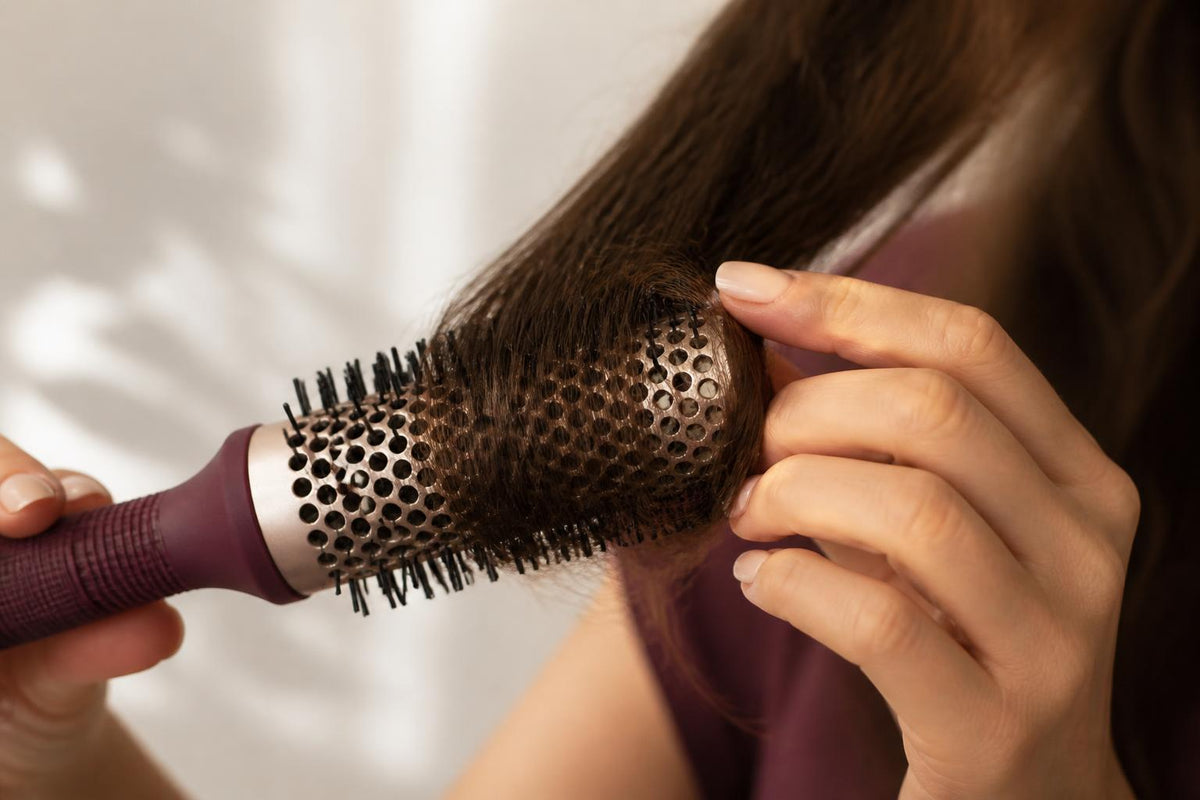
Heat styling does not have to leave your hair brittle, rough or dull, but it does need a bit more than a quick spray and hope for the best. The simplest way to stop heat drying out your hair is to reduce the amount of direct heat your strands face at one time, keep moisture in the hair before styling, and use heat protection hair products in a way that matches your texture and routine.
That means being realistic. No product makes hot tools harmless, and no spray can cancel out daily passes with straighteners set too high. What good heat protection can do is help reduce moisture loss, improve slip, buffer the hair surface and make styling more controlled, so you need less heat and fewer passes to get the result you want.
What heat protection actually does
Hair dries out with heat because water leaves the fibre, the cuticle is stressed, and repeated exposure makes the surface feel less smooth. If you already colour, bleach, relax, perm, or heat style often, that drying effect tends to show up faster. The ends usually show it first, because they are older, more porous and more exposed.
Heat protection hair products are designed to create a light film over the hair, help spread heat more evenly, and reduce the friction that comes with brushing, blow drying or ironing. Depending on the formula, they may also add conditioning agents, oils, humectants or polymers that help the hair feel softer and more manageable during styling.
What they cannot do is let you use unlimited heat without consequences. If your straighteners are set far hotter than you need, or if you clamp the same section again and again, you can still end up with dryness, roughness and breakage. Heat protection is part of damage control, not a free pass.
For everyday styling, realistic expectations matter. If you use a dryer on medium heat with a nozzle, keep the airflow moving, and prep the hair properly, protection can make a noticeable difference to softness and frizz. If you use curling tongs or straighteners a few times a week, it can help your hair hold up better over time, especially when paired with a decent cleansing and conditioning routine. If your hair is already very dry or compromised, protection helps, but it will not replace trimming damaged ends or switching to gentler habits.
This is also where product labels can be confusing. In the UK, cosmetics and haircare sold to consumers must follow UK product safety rules and ingredient labelling requirements, including listing ingredients by INCI names. That helps you compare formulas, but it does not mean every product marketed for heat use performs in the same way. We always suggest reading the directions, checking whether a product is meant for damp hair, dry hair, or both, and thinking about what else you already layer onto your hair that day.
Which type suits your hair and routine
The best format depends on your texture, density, porosity and how you actually style your hair.
Sprays are usually the easiest place to start. They suit fine hair, low density hair, and anyone who wants lightweight coverage before blow drying. A spray can also work well if you restyle dry hair with a dryer or use hot tools occasionally, because it is easier to distribute lightly. The downside is that people often miss sections, especially underneath and at the back.
Creams are often better for thicker, coarser, curly or very porous hair, because they give more slip and a stronger conditioned feel. If your hair tangles easily, a cream based leave-in or styling cream can help you detangle and prep in one step. The trade-off is that it is easier to overapply, particularly near the roots, which can leave fine hair flat or tacky.
Oils can help with softness, shine and reducing that dry, straw-like feel on the mid-lengths and ends, but they are not all designed to be primary heat protectants. Some people use oil as if it replaces everything else, then wonder why the hair still feels parched after straightening. Oil is usually best thought of as part of a wider routine, especially for sealing in softness on thicker or textured hair, rather than the only step before intense heat. If you are weighing up where oils fit into your routine, our guide to argan oil products for your hair type is a useful place to start.
Leave-in styling products sit somewhere in the middle. A leave-in can hydrate, smooth and prep the hair before drying, and some formulas are made specifically to work with heat tools. This can suit people who want fewer bottles on the shelf and a simpler wash day. It is especially practical for wavy and curly hair that needs moisture and control before diffusing or stretching. If that sounds like your routine, our advice on curl products that suit your wash day and style goals covers how to think about layering and hold.
A few broad rules help.
Fine, straight, or easily weighed-down hair usually does best with lighter sprays or fluid leave-ins, used sparingly and focused on the lengths.
Medium density hair often has the most flexibility. Sprays, light creams and milk-style leave-ins can all work, depending on whether you mostly blow dry, diffuse or use irons.
Thick, coarse, curly or coily hair often benefits from creamier products with more slip, especially if you are blow drying in sections or using tension to stretch the hair. If your routine includes a co-wash, follow with enough conditioning and a styling prep that supports detangling before heat enters the picture.
High porosity or chemically processed hair often needs both moisture and protection, so layering a leave-in with a small amount of oil on the ends can make sense, as long as the combination does not leave the hair greasy or resistant to styling.
How to use heat protection properly
Application matters as much as the product itself. The first question is whether your chosen product is meant for damp hair, dry hair, or both. Many heat protectants are designed to be applied to clean, towel-dried hair before blow drying. Others can be used on dry hair before straighteners or curling tools. The directions on the pack should always come first.
For damp-hair use, start after washing and conditioning, once excess water has been removed. Hair should be damp, not dripping. A cotton T-shirt or a microfibre wrap helps take off water without roughing up the cuticle. If you need one, our hair drying and overnight care essentials include practical options for drying more gently.
How much to use depends on the format and your hair. Fine hair may only need a light misting or a small coin-sized amount of cream for the lengths. Thick or long hair may need product applied section by section. The goal is even, light coverage, not saturation.
A reliable method is:
- Divide the hair into manageable sections.
- Apply the product to one section at a time.
- Focus on mid-lengths and ends first.
- Use your hands to smooth it through.
- Comb or brush through for even distribution.
This last step is often skipped, but it makes a difference. A wide tooth comb or a detangling brush helps spread product so one patch is not overloaded while another is bare. Our range of hair brushes and combs for detangling and sectioning is useful here, especially if your hair is dense or prone to knots.
If you are using heat on dry hair, make sure the product is suitable for that use. Misting a damp-only product onto dry hair just before straighteners can leave parts of the hair too wet, which is not what you want under direct heat. Dry hair should feel fully dry before irons or tongs touch it.
For blow drying, apply protection before you begin, then dry in sections with controlled airflow. For straightening or curling after a blow dry, some people use one product before drying and another light protective product before the hot tool, but only if the formulas layer well. If layering leaves the hair sticky, heavy or smoky under heat, simplify.
Common mistakes that make heat protection less effective
The most common mistake is using far too little, but only on the top layer. Hair underneath, around the nape, and through the ends often gets missed. If those sections are the driest afterwards, patchy application is usually part of the reason.
The second is using too much. Overloading the hair can make it limp, greasy, or slow to dry, which then encourages people to use more heat for longer. Protection works best when the coating is even and sensible.
Another frequent problem is applying product too late. If you blast half-dried hair with high heat and only remember protection afterwards, you have already missed the moment it was most useful. It needs to be in place before the heat exposure you are trying to reduce.
Temperature is another issue. Heat protection does not mean you should automatically set tools to the highest number available. In practice, many people can style effectively at a lower setting than they think, especially if the hair is well conditioned and sectioned properly. Fine, fragile, bleached or already dry hair usually needs a more cautious approach than coarse virgin hair.
Layering unsuitable products can also get in the way. Heavy oils, rich creams, sticky gels and then a heat protectant on top can leave residue that affects how the hair dries and styles. If your hair feels coated, takes ages to dry, or looks dull after heat styling, look at the whole combination rather than blaming one product.
Using hot tools on hair that is not fully dry is another major cause of dryness and damage. This matters particularly with straighteners and curling irons. Damp patches under direct plate or barrel heat can stress the hair quickly. If you blow dry first, give the roots and the underneath a proper check before moving on.
Finally, do not ignore tool condition. Dirty straightener plates, clogged dryer filters and rough brush seams can all make styling harsher on the hair. Clean tools and smooth accessories are part of heat protection in the practical sense.
How to build a lower-damage styling routine
The best results come from treating heat protection as one step in a routine, not the whole routine.
Start in the shower. A cleanser that removes build-up without leaving the hair stripped gives you a better base for styling. If the hair is coated with old product, fresh heat protection will not distribute as well. Conditioner matters just as much. Hair that has been conditioned properly is easier to detangle, easier to section, and less likely to need excessive heat to look smooth.
If you are reviewing your wider product choices, our guide to vegan hair products that suit your routine can help you think through cleansing, conditioning and styling in a joined-up way.
After washing, handle the hair gently. Use a drying towel or cloth that absorbs water without rough rubbing. Detangle from the ends upwards with the right tool for your texture. Secure sections with clips rather than repeatedly pulling and redoing the same pieces by hand. Small practical choices like these reduce mechanical stress before heat even starts.
Drying method matters too. Air drying partly before blow drying can reduce total heat exposure, as long as the hair is not left to tangle into a difficult shape first. For textured hair, stretching in sections while drying can help reduce the number of passes needed later. For straighter hair, directing airflow down the hair shaft with a nozzle usually gives a smoother finish with less frizz.
Think about frequency honestly. If you currently use straighteners every day to fix dents, frizz or flattened roots from sleep, it may be more effective to change what happens overnight. A smoother bedtime routine, looser protective styling, a sleep cap or buff, and less friction from bedding can mean less morning heat. Likewise, choosing hair bands and scrunchies that do not leave hard creases can cut down on touch-up styling.
It also helps to separate styling goals. Not every day needs the same finish. A full polished blow dry, a quick diffuse, a low bun, a clipped-up style, or a braid-out all place different demands on the hair. Rotating between lower-heat and no-heat options gives your lengths a break while still keeping your routine realistic.
Trim expectations as well as ends. If your hair is already dry, the aim may be to make it progressively softer and easier to style over several weeks, not to reverse everything in one wash day. Consistency usually does more than chasing stronger and stronger products.
At ManeDivas, operated by Fleeta Limited, we prefer practical routines over miracle claims. Heat protection hair products are worth using, but they work best when the rest of the routine supports them. Cleanse without stripping, condition properly, apply protection evenly, keep temperatures sensible, and give your hair some days off from direct heat. That is the combination that helps styling feel easier, and your hair feel less dry, over time.
Do heat protection hair products prevent all heat damage?
No. They can help reduce moisture loss, friction and surface stress from styling, but they do not make hair immune to damage from repeated or excessive heat.
Should I use heat protection on wet or dry hair?
It depends on the product directions. Many are designed for damp hair before blow-drying, while some can also be used on dry hair before straighteners or curling tools.
Can I use hair oil instead of a heat protectant?
Not automatically. Some oils are finishing products rather than heat protection products. Check the exact product page and directions before assuming it is suitable for heated styling.
How much heat protection should I apply?
Enough to coat the mid-lengths and ends lightly and evenly without soaking the hair. Fine hair usually needs less than thick or very dense hair.
Do I need heat protection if I only blow-dry?
Usually yes, especially if you blow-dry regularly. Repeated warm airflow can still dry the hair out, particularly on the ends and more porous sections.