
Can you use leave-in conditioner on dry hair?
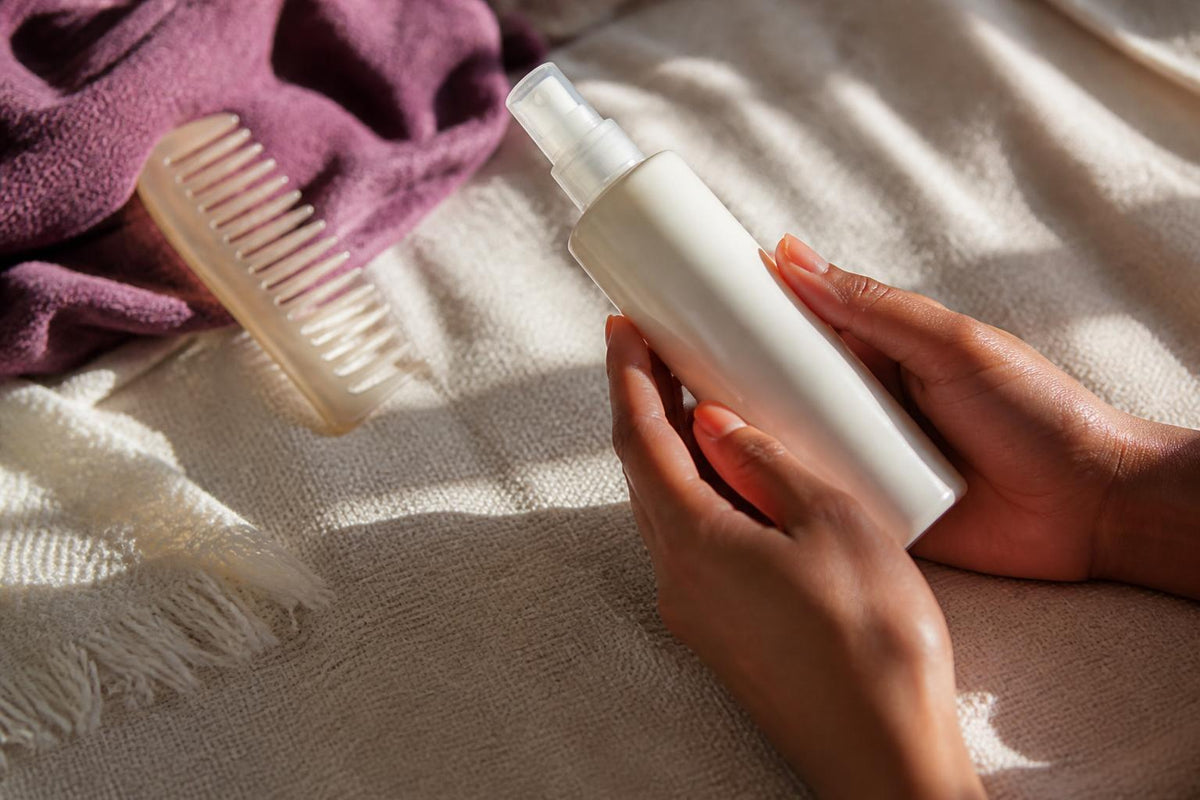
Yes, you can use leave-in conditioner on dry hair. In fact, it is often one of the simplest ways to soften rough ends, calm frizz, refresh curls or make hair more manageable between wash days. The key is not whether the hair is dry, but how much product you use, where you place it, and whether the formula suits your hair texture.
The reason this question matters is that leave-in behaves differently on dry hair than it does on damp hair. On damp hair, water helps spread the product and reduces the chance of heavy patches. On dry hair, everything is more concentrated. That can be useful when you only want to treat a few areas, but it also means it is easier to overdo it. If you have ever wondered whether you can use leave in conditioner on dry hair, the short answer is yes, with a lighter hand and a more targeted method.
When leave-in on dry hair makes sense
Using leave-in on dry hair makes sense when you do not need a full wash day, but your hair needs a bit of help. This is common on second or third day hair, after commuting in wind or damp weather, after sleeping without enough protection, or after a day of heat styling when the ends feel straw-like.
Dry application is especially useful for:
- smoothing puffy mid-lengths and ends
- softening hair before detangling
- refreshing waves, curls and coils that have lost definition
- reducing the look of frizz around the crown or hairline
- adding flexibility back to hair that feels stiff from gel or styling cream
- helping bleached or heat-styled ends feel less brittle
It can also be practical if you are styling in sections. For example, if one area near the nape dries faster than the rest, or the front pieces around the face need more softness than the back, applying leave-in only where needed avoids coating the whole head.
Where people run into trouble is treating leave-in on dry hair as if it were a finishing serum. It is still a conditioning product. That means it usually works best when used sparingly and distributed properly, rather than dropped straight onto the surface and left sitting there.
For many people, the best results come from pairing a small amount of leave-in with a little water. A light mist from an empty refillable spray bottle and everyday haircare essentials can help reactivate yesterday’s product and give the leave-in enough slip to spread more evenly.
What changes when hair is dry instead of damp?
The main difference is distribution. Damp hair already contains water, so leave-in moves more easily through the strands. Dry hair has more friction. Product tends to catch where it first lands, which is why one section can look polished while another still feels rough.
There are four practical changes to expect.
First, spread is reduced. On damp hair, a pea-sized amount can travel surprisingly far. On dry hair, the same amount may only cover a small area, especially on dense, curly or coily hair. That is why rubbing product thoroughly between your palms before applying matters more on dry hair.
Second, absorption feels different. Hair does not absorb product in the same way once it is fully dry. Rather than sinking in quickly, leave-in often sits more on the surface at first. That surface coating can still be useful, particularly for frizz control and softness, but it also means too much product is easier to see and feel.
Third, slip is lower. If you are using leave-in to detangle, dry hair usually needs either a mist of water first or a very gentle section-by-section approach. Pulling a brush through dry, product-coated tangles can create unnecessary tension. A wide-tooth comb or a flexible detangling brush from our brushes and combs for everyday detangling is usually a better place to start.
Fourth, overapplication shows up faster. Fine hair can separate into greasy-looking pieces. Wavy hair can lose lift. Curly and coily hair can become tacky if too much product is layered over old stylers. Even thicker hair can feel coated if the leave-in is concentrated near the roots.
This is why the answer to “can you use leave in conditioner on dry hair” is not just yes or no. Yes, you can, but dry hair asks for precision. Less product, better sectioning, and attention to where your hair actually needs it.
How to apply leave-in to dry hair without buildup
A careful method makes all the difference. We use this approach when the goal is softness and manageability, not a full reset.
1. Start with clean hands and assess the hair
Look at where the dryness actually is. Most people do not need leave-in at the roots. Usually the hair that benefits most is from the ears downward, or just the last few inches.
If your hair has a lot of old gel, cream, dry shampoo or oil on it already, leave-in may not be the best next step. More on that below.
2. If needed, add a little water first
If the hair feels very dry, mist lightly with water. Not wet, just slightly dampened on the surface. This helps with spread and reduces the chance of sticky patches. A refillable spray bottle is useful because you can control the amount, rather than soaking the hair under a tap.
For curls and coils, this step often matters most. Water helps reactivate existing product and gives the leave-in a better chance of distributing evenly.
3. Use less than you think
Begin with a very small amount.
As a starting point:
- fine or short hair, about a pea-sized amount for the whole head
- medium-density wavy or straight hair, 1 to 2 peas
- thick, curly or coily hair, 2 to 4 peas, divided by section
These are starting points, not fixed rules. It is easier to add more than to remove excess without rewashing.
4. Emulsify the product in your palms
Rub your hands together until the leave-in forms a thin, even film. This step is often skipped, but it helps prevent blobs landing on one section.
5. Apply to mid-lengths and ends first
Use praying hands or a light smoothing motion over the driest areas. Then scrunch, twist or finger-coil if your texture benefits from it. Keep away from the scalp unless you have very short hair and know your formula is light enough not to flatten it.
6. Distribute with fingers or a suitable tool
For straight or wavy hair, comb through gently. For curls and coils, finger-distribute first, then use a wide-tooth comb or detangling brush if needed. Work in sections if your hair is dense.
7. Pause before adding more
Give it a minute. Dry hair can take a little time to settle. What looks slightly visible at first may soften in as you continue styling. If the ends still feel rough after that, add half the amount you used the first time, not the same amount again.
8. Finish with the right support
If the ends still need sealing, a tiny amount of conditioning oil can work better than more leave-in. If the issue is shape rather than dryness, clips, bands or scrunchies from our hair accessories for sectioning and gentle styling can help you restyle without piling on product.
If you accidentally overapply, do not keep layering to blend it in. Lightly mist the area with water, blot with a microfibre towel or cloth, and redistribute. A microfibre surface helps remove excess more gently than rough cotton.
Which hair types usually benefit most?
Different hair types can absolutely use leave-in on dry hair, but not in the same way.
Fine hair
Fine hair often benefits the least from dry application if the formula is rich. It gets weighed down quickly, and excess product is obvious. If your hair is fine, focus on the last inch or two of the ends and use the smallest amount possible. Applying to your palms first, then using whatever remains on your hands, is often enough.
If this sounds familiar, our guide on caring for fine hair without weighing it down goes into the balance between moisture and lightness in more detail.
Wavy hair
Wavy hair often does well with a mist-and-scrunch method. Too much leave-in can flatten the wave pattern, so water first is helpful. Apply lightly to the mid-lengths and ends, scrunch upward, and stop before the hair feels slippery. If you are refreshing shape as well as softness, you may need a little styling product afterwards rather than more conditioner.
Curly hair
Curly hair often responds well to leave-in on dry or nearly dry hair, especially on day two or three. The best approach is usually sectioned application with a little water. Focus on frizzy outer sections, flattened curls, or dry ends. Finger-coiling a few pieces after application can bring back definition without rewashing.
Coily hair
Coily hair often benefits most from targeted dry application, particularly if the ends lose moisture quickly. Because shrinkage can hide dryness until the hair is stretched or handled, sectioning matters. Apply sparingly but thoroughly, and use fingers to work the product through each section. If the hair is very dry overall, though, a proper wash, co-wash or deep conditioning routine may be better than trying to patch everything with leave-in.
Bleached hair
Bleached hair often needs softness and slip, but it also shows buildup quickly, especially on lighter shades. Dry application can help smooth rough, porous ends, but use a small amount and avoid repeated layering day after day without cleansing. Porous hair can feel better immediately, then turn coated if too much product accumulates.
Heat-styled hair
Hair that is regularly blow-dried, straightened or tonged often benefits from leave-in on dry ends between washes. Here, the aim is usually flexibility and softness, not curl refresh. Apply only to the areas that feel rigid or frayed. If your style is smooth and sleek, too much leave-in can make it separate, so keep the amount minimal.
When another product or method may work better
Sometimes leave-in is helpful, and sometimes it is not the best tool for the job.
If your hair is only slightly frizzy or flattened from sleep, plain water may be enough. A few sprays can reset the surface, especially for waves and curls, without adding another layer of product.
If your hair needs moisture and reshaping, water in a refillable spray bottle often works better than applying leave-in straight onto fully dry hair. You get more even distribution and a more natural finish.
If your ends feel dry but the rest of the hair is fine, a conditioning oil may be a better choice. Oils do not replace moisture, but they can smooth the cuticle, reduce roughness and add shine where you only need a finishing touch. This is often more suitable than adding more leave-in when the hair already has enough softness but the ends look dull.
If the hair feels coated, sticky or heavy, leave-in is unlikely to help. That is usually a sign you need cleansing, not more conditioning. A proper shampoo, or a co-wash if that suits your routine, may be the better option. In the UK, as elsewhere, this is a routine choice rather than a regulatory one. Product labels still need to follow UK cosmetic rules, including ingredient listing by INCI, but how often you cleanse is entirely down to your hair type, scalp comfort and styling habits.
If your hair is tangled because it is very dry after washing, a rinse-out conditioner on wet hair may work better than trying to fix everything once the hair is dry. Wet conditioning gives much more slip and usually leads to a more even result.
If overnight friction is the reason your hair feels rough each morning, prevention may help more than extra product. A microfibre drying towel, wrap or sleep accessory can reduce some of the rubbing and disturbance that leaves hair looking frizzy by the next day. Our drying and overnight care options are useful if you are trying to cut down on that daily cycle of dryness, refresh, and reapplication.
The most useful way to think about it is this. Leave-in on dry hair is a touch-up method, not a cure-all. It works well when the hair is mostly fine and only needs softness, control or a bit of help getting through the day. It works less well when the hair is coated in old product, lacking water, or due a proper wash and condition.
At ManeDivas, operated by Fleeta Limited, we prefer practical haircare over rigid rules. If you have been asking whether you can use leave in conditioner on dry hair, the answer is yes, provided you use a small amount, target the driest areas, and let your hair texture guide the technique. That gives you the benefit of leave-in where it helps, without the heaviness that makes people think it does not work.
Will leave-in conditioner make dry hair greasy?
It can if you use too much or apply it too close to the roots. Most people get better results using a small amount on mid-lengths and ends first.
Should you wet hair before using leave-in conditioner?
Not always. Slightly damp hair usually helps leave-in spread more evenly, but dry application can work well for taming frizz, softening ends or refreshing styles.
Can you use leave-in conditioner every day on dry hair?
You can, but daily use is not necessary for everyone. If hair starts to feel coated, limp or sticky, reduce the amount or alternate with a light water refresh.
Is leave-in conditioner or oil better for dry ends?
It depends on the result you want. Leave-in adds moisture and softness, while oil is often better for sealing, smoothing and adding shine over already-moisturised ends.
Can leave-in conditioner refresh curls on non-wash days?
Yes, often very well. A small amount worked through dry or lightly misted curls can help with softness, frizz and definition without a full washday reset.