
A men’s hair routine that suits your texture
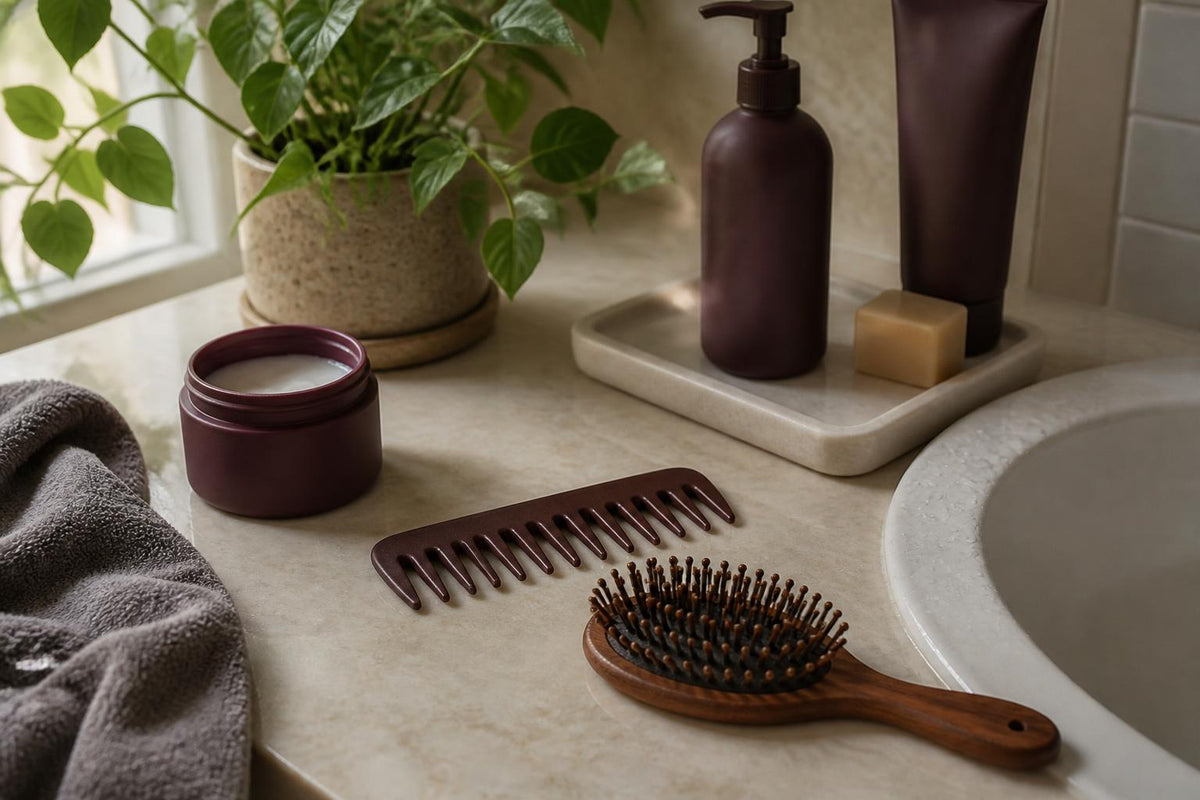
A good men’s hair routine is not about using the most products. It is about matching a few sensible steps to your scalp, your texture and the way you actually wear your hair day to day. Most men need four things from a routine: a scalp that feels clean without being stripped, hair that stays comfortable between washes, enough moisture for the texture they have, and styling that looks intentional without taking too long.
That means the best routine for one person can be the wrong one for another. Short straight hair that gets oily after the gym needs something different from shoulder-length curls that dry out easily, and both need something different again from tightly coiled hair that benefits from less frequent shampooing and more conditioning. Once you understand what your hair is asking for, the routine becomes much easier to keep up.
What a good men’s hair routine needs to do
A useful routine should solve everyday problems, not create extra work. In practice, we want it to do four jobs.
First, it should clean the scalp and remove sweat, oil, pollution and styling residue. That does not always mean a full shampoo every day. It means choosing the right level of cleansing often enough that the scalp feels fresh and the hair does not become heavy or coated.
Second, it should keep the scalp comfortable. If the scalp feels tight after washing, flakes more when products are used, or turns greasy again within hours, the routine is usually out of balance. Cleansing may be too harsh, not frequent enough, or followed by products that are too rich for the scalp area.
Third, it should make the hair easier to handle in its natural state. Straight hair may need help staying light and not limp. Wavy hair often needs moisture without losing movement. Curly and coily textures usually need more slip, more conditioning and more care when detangling.
Fourth, it should fit your real week. If your routine takes forty minutes and you only ever have ten, it will not last. A workable hair routine for men is one you can repeat after work, after training, during travel and on ordinary mornings.
That is also why we prefer thinking in categories rather than one universal formula. Cleanser, conditioner, leave-in, styler and tools each have a job. You do not need every option every time, but it helps to know what each one is for. If you compare products properly, check the INCI list and directions, not just the front label. A styling cream, for example, may give light control with softness, while a gel is better when you want hold and shape to last through the day.
How often should men wash their hair?
Wash frequency depends less on gender and more on scalp behaviour, texture, exercise and product use.
If your scalp gets oily quickly, daily washing or washing every other day can be completely reasonable. This is common with short straight hair, fine hair, and hair that is styled with waxes or clays. If you train most days, sweat heavily or wear hats for long periods, you may also need more frequent cleansing.
If your hair is medium to long, wavy, curly or coily, washing usually becomes less frequent. Natural oils take longer to move down the hair shaft, so the roots may be fine while the lengths feel dry. In that case, shampooing two or three times a week, or even less often for some coily textures, often works better than daily shampoo.
Product build-up matters as well. Gels, creams, oils and edge products can leave residue over time. If your hair suddenly feels dull, sticky, unusually limp or difficult to style, it may need a more thorough wash day, even if your usual routine is gentle.
A co-wash can help between shampoos for some textures. This means washing with a cleansing conditioner rather than a standard shampoo. It is usually most useful for curly and coily hair, or for very dry wavy hair. It is less useful for fine straight hair, because it can leave the roots flat or coated.
As a starting point, this is practical for most people:
- Oily scalp, short straight or fine hair: every day or every other day
- Normal scalp, straight or wavy hair: two to four times a week
- Dry scalp or drier curly hair: one to three times a week
- Coily hair or protective styling periods: weekly or less often, with conditioning between washes as needed
The right answer is the one that leaves the scalp comfortable and the hair manageable. If you are unsure, keep the routine steady for two weeks and adjust one thing at a time. Changing cleanser, wash frequency and styling products all at once makes it hard to see what actually helped.
Build your routine by hair texture
Texture changes what the hair needs after cleansing, how much moisture it can hold, and how easily it tangles. That is why we build routines from texture first, then refine them around scalp oiliness and styling habits.
Straight hair
Straight hair tends to show oil quickly and can become flat if products are too rich. Keep the routine light.
Wash with shampoo as often as your scalp needs, often every day or every other day if you exercise regularly or use styling products. Use conditioner mainly on the mid-lengths and ends if the hair is more than a few inches long. If the hair is very short, you may only need a small amount, or none on some washes.
A leave-in is optional for straight hair. If you use one, choose a very light formula and keep it away from the roots. For styling, a small amount of cream can soften and tidy, while gel gives stronger hold if you want shape to stay put.
Wavy hair
Wavy hair usually sits between needing moisture and needing lightness. Too little conditioning makes it frizzy. Too much makes it drop.
Shampoo two or three times a week for many people, more if your scalp is oily. Condition every wash, focusing on the lengths. If the hair is dry or frizzes easily, use a small amount of leave-in on damp hair.
For styling, use a light gel or cream while the hair is still damp, then leave it alone while it dries. This helps keep the wave pattern without making it crunchy if you use the right amount. If this is your texture, our guide to a wavy routine that keeps shape without crunch goes into more detail.
Curly hair
Curly hair needs more moisture and more careful handling. Shampoo less often than straight hair in many cases, and use conditioner generously enough to give slip when detangling.
A common pattern is one proper shampoo wash each week, with one additional gentle cleanse or co-wash if needed. Condition every wash. Detangle when the conditioner is in, using fingers first, then a wide-tooth comb if needed.
A leave-in often makes a noticeable difference for curls, especially on the ends. Follow with a gel or curl cream depending on how much hold you want. Gel usually gives better definition and longer-lasting shape. Cream gives softness and a more natural finish, but may not hold as well in damp weather.
If you want a more detailed curl-specific method, start with a curly routine that cuts frizz without guesswork.
Coily hair
Coily hair benefits from the gentlest handling and usually the richest conditioning of the four groups. It is also the texture most likely to do well with lower shampoo frequency, regular conditioning and a consistent leave-in step.
Many people with coily hair shampoo weekly or less often, depending on build-up, activity and styling. Between shampoos, a co-wash can refresh the hair without stripping it. Conditioner should be worked through thoroughly, and detangling should be done slowly while the hair is wet and slippery.
A leave-in is often a core step here, not an extra. Follow with a cream, gel or a small amount of conditioning oil depending on the finish you want. Oil is best used to seal in moisture or soften the ends, not to replace water-based conditioning.
If you want a broader overview, we have also covered everyday haircare that suits your texture and routine.
Drying, detangling and styling without extra damage
A lot of routine problems come from what happens after washing, not from the cleanser itself.
Start with drying. Rubbing wet hair hard with a standard bath towel roughs up the cuticle and increases frizz, especially on wavy, curly and coily textures. Blot or squeeze instead. A microfibre towel or drying cloth is usually a better choice because it removes water with less friction.
Detangling is easiest when the hair has slip. For straight hair, a comb or brush can often be used after towel drying, depending on length. For curly and coily textures, detangle during conditioning or just after applying leave-in, starting at the ends and working upward in sections. Pulling from the roots down creates more breakage and more frustration.
Heat is not automatically bad, but careless heat is. If you blow-dry often, use the lowest heat that gets the job done and keep the dryer moving. A diffuser helps with curls and waves because it disturbs the pattern less. If the hair already feels dry, brittle or rough, reduce the temperature first before changing everything else.
Styling products should support the texture, not fight it. If the hair feels stiff, greasy or dirty by lunchtime, you are probably using too much product or the wrong type.
As a rule:
- Gel suits hold, shape and frizz control
- Cream suits softness, light control and looser movement
- Oil suits finishing, shine and softening dry ends
- Spray bottle refreshes second-day hair by adding a little water before restyling
For many men, less product works better than more. Start small, spread it across your palms, and apply to damp hair first. You can always add more. It is much harder to undo too much gel or cream once it has set.
Which tools and accessories are actually useful?
You do not need a drawer full of tools, but a few well-chosen ones make a real difference.
A wide-tooth comb is one of the most useful options for medium to long hair and for textured hair. It helps distribute conditioner and detangle with less pulling. A finer comb is more useful for short straight hair, parting and tidying.
Brushes depend on the result you want. For smoothing and distributing natural oils on straighter hair, a brush can be useful. For defined curls, many people use a brush only during styling or skip it entirely outside wash day.
Clips are practical if your hair is long enough to section. They make detangling, drying and product application more controlled, especially for thick, curly or coily hair. Hair bands and scrunchies matter more than many people expect. If you tie long hair back often, choose options that hold without snagging. Tight bands with metal joins tend to catch and stress the hair.
A microfibre drying towel or cloth is worth having if your hair frizzes easily or takes a long time to dry. It is a small change that improves the feel and finish of many routines.
Sleep protection can also help. A sleep cap or buff is especially useful for curly, coily or longer hair because it reduces friction overnight and helps preserve styling for the next day. For short straight hair it is usually unnecessary, but for textured hair it can cut down morning dryness and flattening.
A scalp massager is optional, but many people find it useful during shampooing. It can help spread cleanser across the scalp and loosen build-up without using nails. The key is gentle pressure. Scrubbing aggressively does not clean better, it just irritates the scalp.
An empty refillable spray bottle is another genuinely useful item. Fill it with water to re-dampen hair for second-day styling, or to help distribute leave-in more evenly through thicker textures.
When should you change your routine?
A routine should not stay fixed out of habit if your hair is giving clear feedback.
Change it when the season changes. In the UK, colder months often mean drier indoor air, more hats and more static. Hair may need richer conditioning or less frequent shampooing in winter. In warmer weather, especially if you sweat more, you may need more frequent cleansing or a lighter styler.
Change it after a haircut. If you go from longer curls to a close crop, the conditioner and leave-in you needed before may suddenly feel excessive. If you grow your hair out, the opposite usually happens. Length changes how much moisture the ends need and how much product the style can carry.
Change it if you notice build-up. Signs include hair that feels coated, looks dull, stops responding to products that usually work, or becomes itchy at the scalp. In that case, review how often you shampoo, how much product you are applying, and whether your current products are too heavy for your texture.
Change it if the hair feels persistently dry. That can mean washing too often, using a cleanser that is too strong for your scalp and texture, skipping conditioner, using too much heat, or relying on oil without enough water-based moisture underneath.
Change it if your styling goal changes. A routine for a neat office finish is not exactly the same as one for longer natural texture, defined curls or tied-back hair. The base steps may stay the same, but the styler and tools often need to change.
Most importantly, adjust with a light touch. We find that one change at a time works best. If your scalp is fine but the lengths are dry, do not immediately overhaul the cleanser. Start by changing the conditioner or adding a leave-in. If the roots are flat and greasy, reduce the amount of cream before deciding the whole routine has failed.
A sensible hair routine for men should become easier over time, not more complicated. Once you know how often your scalp wants cleansing, how much moisture your texture needs, and which tools actually help, the routine settles into place. That is the point. Clean hair, a comfortable scalp, and styling that suits your life are enough. The rest is just refinement.
How many steps should a men’s hair routine have?
For most people, three to four steps are enough: cleanse, condition, dry gently and style. Add a leave-in or co-wash only if your hair texture and daily needs genuinely benefit from it.
Should men use conditioner every time they wash?
Many should, especially if hair is medium to long, curly, coily, dry or regularly styled. Very short or very oily hair may need less, but conditioner often improves softness and manageability.
Is it better to air-dry or use a hair dryer?
Either can work. Air-drying is simple, while a dryer can help with shape and speed. The key is gentle drying, avoiding excessive heat and not roughing hair up with a standard towel.
Can men use co-wash instead of shampoo?
Some can, particularly with drier, curlier textures. co-wash can help keep hair softer between fuller cleanses, but many people still need shampoo at times to remove sweat, oil and styling build-up.
What is the best routine for men with curly hair?
A useful starting point is less frequent shampooing, regular conditioner, careful detangling on damp hair, a leave-in if needed, and styling that supports curl shape without over-drying the hair.