
Haircare picks that suit your washday and styling routine
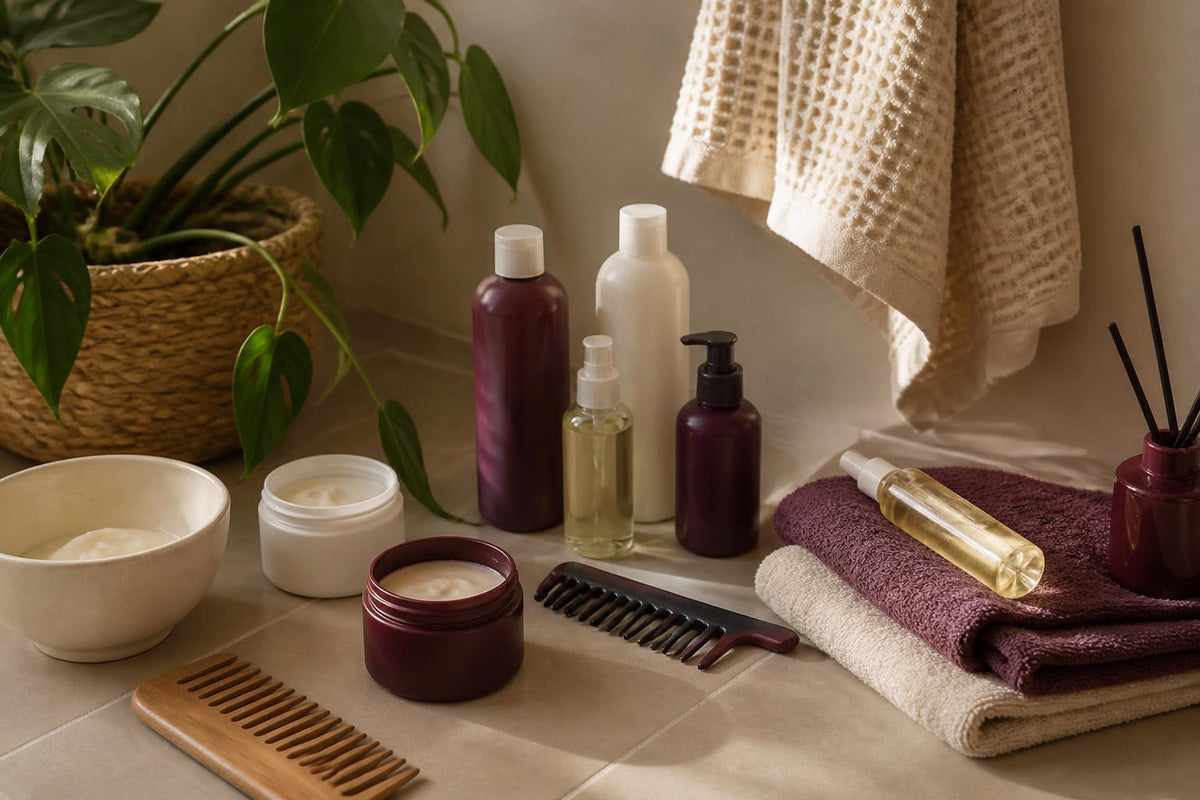
Choosing the best haircare products is less about finding a perfect range and more about matching each product to what your hair actually does between wash days. A routine that works well in real life usually has four jobs: cleanse without leaving the scalp uncomfortable, condition enough for your level of dryness, style with the finish and hold you like, and protect the hair during drying, detangling and sleep.
That is why we suggest comparing products by function first, not by trend. If you wash often, exercise regularly, wear protective styles, heat style, or simply want a quicker routine, the right choice will look different. At ManeDivas, operated by Fleeta Limited, we focus on practical haircare and accessories that fit everyday use, from cleansers and conditioners to gels, creams, drying towels, sleep caps and the tools that make styling easier.
How to compare haircare products without wasting money
Start with the part of your routine that is failing you now. If your scalp feels coated by day three, compare cleansers first. If your hair is clean but hard to comb, look at conditioning and detangling. If your style looks good wet and frizzes when dry, styling products and drying habits are the better place to spend.
A useful comparison comes down to five things.
First, wash frequency. Someone washing once a week can often use richer conditioning and stronger stylers than someone washing every other day. If you cleanse frequently, heavy products can build up faster and make the hair feel dull or sticky.
Second, buildup. This includes residue from gels, creams, oils, dry shampoo, edge products and even hard water. A product can be good in isolation and still be the wrong choice if it leaves too much behind for your routine. If you need to shampoo twice to feel clean after every style day, the issue may be the styling product, not the shampoo.
Third, moisture level. Dryness can come from texture, colour treatment, heat styling, frequent washing or weather. Compare whether a product gives brief softness or lasting conditioning. A cream that feels rich on application is not automatically moisturising enough over several days.
Fourth, slip. This matters most when detangling. Good slip helps strands separate with less pulling, especially on textured, curly, coily or longer hair. It is often what makes a conditioner or leave-in feel worth buying again.
Fifth, finish and handling. Some people want hold and definition, others want movement and softness. Compare whether a styler dries crisp, touchable, glossy, matte, lightweight or rich. Think about how it behaves after sleeping on it, refreshing it, or wearing it under a hat or buff.
It also helps to read the INCI list with a practical eye. We are not suggesting that everyone needs to become an ingredient analyst, but it is worth noting whether a product relies mainly on humectants, oils, butters, film-formers or cleansing agents. If two products promise the same result, the one with ingredients that suit your routine is usually the better buy.
Finally, compare products by the amount you actually need to use. A rich conditioner used sparingly may last longer than a thinner one that needs a large handful each wash. The same applies to gels and creams. Value is about use per wash day, not just the size of the bottle or jar.
Which cleansers and conditioners make sense for your routine?
Shampoo, co-wash and conditioner each have a place, but they do different jobs.
Shampoo makes the most sense when you have visible buildup, an itchy or oily scalp, regular exercise, or a styling routine that uses gel, cream and oil together. It is also the safer choice if you use a lot of accessories around the hairline, because residue from edge styling and frequent refreshing tends to collect there. For many people, shampoo once a week or every 7 to 10 days is a straightforward starting point, then adjust according to scalp comfort and buildup.
A co-wash suits hair that needs gentler cleansing between fuller wash days, especially if the scalp is not very oily and the hair is dry, curly, coily or tightly textured. It can work well for midweek refreshing after sweat or after taking down a low manipulation style, but it is not always enough on its own if you use heavy stylers or oils. If your roots still feel coated after rinsing, return to shampoo on the next wash day rather than adding more product over the top.
Conditioner is not a substitute for cleansing, but it is where many routines are won or lost. If you wash often, a reliable rinse-out conditioner can do more for softness and manageability than adding several stylers. For straighter or finer textures, lighter conditioning may be enough, especially if the hair gets flat easily. For textured, curly and coily hair, or hair that tangles when wet, richer conditioning usually earns its place.
A simple way to choose is this:
- Wash often, scalp gets oily or sweaty, uses multiple stylers: prioritise shampoo and a balanced conditioner.
- Wash less often, hair feels dry, scalp is not very oily: consider rotating shampoo with co-wash and use a more substantial conditioner.
- Hair is fine or loses volume easily: avoid layering very rich conditioning at every step.
- Hair is dense, textured, long or prone to knots: put more of your budget into conditioner and detangling support.
If you want a clearer framework for matching products to everyday habits, our guide to everyday haircare that suits your texture and routine sets this out in a way that is easy to apply.
What should you choose for moisture, slip and easier detangling?
This is the part of the routine where many people overbuy. You do not always need a mask, a leave-in, an oil, a spray and a separate detangler. You need enough conditioning to make the hair feel manageable from wash day to the next cleanse.
Rinse-out conditioner does the main conditioning work for many routines. It suits anyone who wants softness and slip in the shower without adding too much weight afterwards. If your hair detangles well when the conditioner is in, and still feels comfortable once dried, that may be enough for you.
A leave-in is useful when softness disappears too quickly after rinsing, or when your hair needs extra support before styling. It can also help if you air dry, because it gives a bit more lubrication while the hair is drying and being handled. For textured hair, a leave-in often improves day two and day three manageability. For fine hair, use less and keep it mainly through the mid-lengths and ends.
Conditioning oil is best seen as a support step, not a substitute for water-based conditioning. It can help reduce roughness, add shine and lightly seal in softness, especially on the ends. It is often most useful on dry or textured hair, on hair that is exposed to friction from scarves and collars, or after styling when you want to soften a cast from gel. If you are choosing one, our guide on argan oil products for your hair type explains where an oil adds value and where it can simply become extra residue.
For detangling, technique matters as much as product. Work on damp hair, section it, apply conditioner or leave-in evenly, and start from the ends before moving upward. A refillable spray bottle is worth having if your hair dries quickly during detangling, because slightly damp hair is usually easier to separate than hair that is half dry and catching on itself.
The best detangling support often comes from combining the right slip with the right tool. Wide-tooth combs are helpful for distributing conditioner and gently opening out sections. Flexible detangling brushes can be better when you need speed and even tension through dense hair. If your hair is fragile when wet, use less force, smaller sections and more product, rather than assuming you need a stronger brush.
Which styling products are best for hold, definition and softness?
Gels and creams are often compared as if one replaces the other, but they solve different problems.
Gel is mainly for hold and definition. It suits styles where you want curls or waves to clump, slick styles to stay neat, or sets to last longer between refreshes. A stronger gel usually creates more cast while drying, which can then be softened once the hair is fully dry. This is useful if your priority is shape retention and frizz control.
Cream is mainly for softness, moisture support and a more natural finish. It suits twist-outs, braid-outs, softer wash and go styling, blow-dried looks that need a little control, or any routine where you dislike the crisp feel some gels create. Creams can also help hair look fuller and less stringy when used in moderation.
Layering order matters. In most routines, apply leave-in first if you use one, then cream if needed, then gel for hold. Putting a heavy cream over gel can reduce hold and create flakes or tackiness. If you are using oil, keep it light and use it sparingly, usually after styling or once the cast has formed and dried.
Choose by styling goal:
- Maximum hold and longer-lasting definition: gel first in priority, cream only if your hair also needs extra softness.
- Soft, touchable finish with light control: cream may be enough on its own.
- Defined curls with less crunch: use a lighter cream underneath gel, or use less gel and break the cast once dry.
- Sleek styles and edges: gel is usually more reliable than cream.
Suitability also depends on texture and density. Fine hair can become overloaded quickly, so lighter layers tend to work better. Dense, curly or coily hair may benefit from cream for manageability plus gel for hold, especially in humid weather or on longer wash cycles.
If you are comparing options for textured styling specifically, our article on curl products that suit your wash day and style goals goes into more detail on balancing definition with softness.
Do brushes, combs and accessories make a real difference?
Yes, when they solve a handling problem you actually have.
Brushes and combs are worth adding when your current tool is causing snagging, uneven product distribution or too much time spent detangling. A wide-tooth comb is a sensible basic for sectioning and detangling with conditioner in. A brush can be useful for smoothing, distributing leave-in or styling gel, and creating tension for neater results. If you are replacing tools that scratch the scalp or catch at the seams, that is usually money well spent. You can browse our hair brushes and combs for detangling and styling if that is the part of your routine you want to improve first.
Clips and pins are not glamorous purchases, but they often make wash day easier. Sectioning clips help you apply cleanser, conditioner and stylers evenly, especially on thicker hair. They are also useful if you style in stages and do not want damp sections tangling back together.
Scrunchies and hair bands matter if you wear your hair up regularly. Softer options reduce friction and are generally kinder on the hair than tight elastics, especially for sleeping, gym sessions and low manipulation styles.
Drying towels and cloths are worth it if you currently use a standard bath towel and notice roughness, frizz or longer drying time. A microfibre towel or cloth helps absorb excess water with less friction, which can make a real difference to definition and surface smoothness. This is particularly helpful for curls, coils and anyone using gel, because aggressive rubbing disturbs clumps before they set.
Sleep caps and buffs are useful if your style loses shape overnight, or if your hair dries out from contact with bedding. In the UK, these are simple accessory purchases rather than regulated treatment items, so the choice is mainly about comfort, fit and how you sleep. We do not sell pillowcases, so if overnight care is your focus, look instead at our drying and overnight haircare accessories, including sleep caps, buffs and drying essentials.
A scalp massager can be worth adding if you want a more thorough cleanse or prefer a bit more control when working shampoo through the scalp. Used gently, it can help distribute cleanser without relying only on fingernails. What it should not do is replace proper cleansing or encourage harsh scrubbing.
How to build the best haircare set for your budget
Build from the problem outward. Do not start with a full basket.
If your scalp feels unclean, buy one cleanser that suits your wash frequency and one conditioner with enough slip. That is the core. If your hair is clean and conditioned but your style does not last, add one styler, either a cream for softness or a gel for hold, based on the result you want most. If your routine is already working but wash day is awkward, spend on tools and accessories before buying more formulas.
A sensible first set for many people is:
- one cleanser, shampoo or co-wash depending on buildup and wash frequency
- one rinse-out conditioner
- one styler, gel or cream
- one detangling tool
- one drying or sleep accessory if friction or overnight flattening is an issue
After that, add selectively. A leave-in is the next useful step if your hair loses softness too quickly. Conditioning oil is worth considering if the ends stay rough or you want shine and a softer finish. Extra clips, scrunchies or a spray bottle make sense when they save time every week.
Try to avoid solving one problem with three products at once. If you add a leave-in, cream and oil together, you will not know which one helped and which one caused heaviness. Make one change, use it for a few wash cycles, and judge it by your actual routine. Is detangling faster? Does the scalp stay comfortable? Does the style last the right number of days? Is refresh day easier?
That is usually how people find the best haircare products for themselves, not by chasing the longest routine, but by choosing the few products and tools that make wash day, styling and maintenance noticeably easier. At ManeDivas, we keep that practical approach at the centre of what we offer, so you can build a routine that fits your hair, your schedule and your budget.
What are the best haircare products to buy first?
Start with the step that affects your routine most: usually a cleanser and conditioner. Add a leave-in or styler only if you need easier detangling, more moisture, definition or hold.
Is a co-wash better than shampoo?
Not always. A co-wash can suit dry hair or frequent washing, while shampoo is often better when you need a fresher cleanse or to remove heavier product buildup.
Do I need both a leave-in and a styling gel?
They do different jobs. A leave-in helps with moisture and manageability, while gel is mainly for hold and definition. Some routines need both; some need only one.
Are hair oils enough on their own?
Usually no. Conditioning oil can add softness and help reduce dryness at the finishing stage, but it does not replace cleansing, conditioning or a product designed for hold.
Which accessories are most useful for everyday haircare?
The most useful extras are the ones that reduce friction and make routines easier, such as a microfibre drying towel, a suitable comb or brush, and gentle sleep or styling accessories.